Wonder Season: Elevating Design with Whimsical Elegance
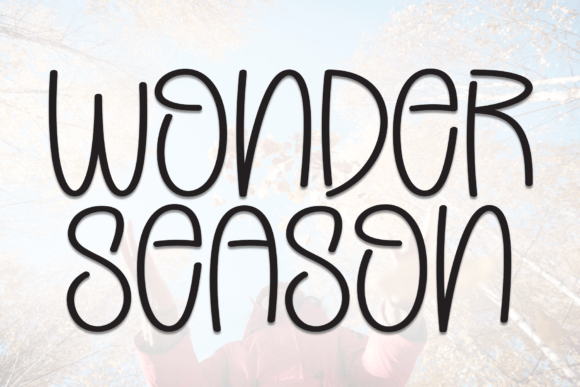
In an era where digital saturation is the norm, the human eye craves authenticity. We are witnessing a significant shift in visual communication, moving away from sterile, corporate minimalism toward designs that feel handcrafted, personal, and emotionally resonant. This is where Wonder Season enters the creative landscape. As a whimsical and elegant handwritten font, it brings a delightful flow to any design, bridging the gap between professional polish and approachable charm. Its playful curves and smooth strokes are not merely decorative; they serve as a vital tool for creators who wish to infuse their work with personality and warmth.
The relevance of such a typeface extends far beyond simple aesthetics. For professionals, entrepreneurs, and marketers, typography is a primary vehicle for brand voice. When audiences encounter a design that feels rigid or automated, they often subconsciously distance themselves. However, when they see the organic variation of a script like Wonder Season, they perceive a human touch. This perception is crucial in building trust and engagement, particularly in industries reliant on personal connection, such as hospitality, education, wellness, and artisanal retail.
The Shift Toward Human-Centric Visuals
Over the past decade, design trends have oscillated between extreme minimalism and maximalist complexity. Currently, we are settling into a middle ground that prioritizes "human-centric" design. This trend is driven by changing user expectations. Modern consumers are more discerning; they can spot generic templates from a mile away. They seek brands and content that reflect individuality and care. Consequently, there is a growing demand for assets that break the monotony of standard sans-serif fonts.
Wonder Season fits seamlessly into this evolving market preference. It offers the legibility required for professional communication while retaining the irregularities and fluidity of natural handwriting. This balance is difficult to achieve. Many handwritten fonts sacrifice readability for style, or vice versa. Wonder Season manages to maintain smooth strokes that guide the eye naturally across the page, ensuring that the message is not only felt but also clearly understood. For bloggers and content creators, this means higher engagement rates, as readers are more likely to stay on a page that feels inviting rather than intimidating.
Practical Applications for Creators and Businesses
Understanding the theoretical appeal of a font is one thing; applying it effectively is another. The versatility of Wonder Season makes it a valuable asset in various practical scenarios. Here is how different professionals can leverage its unique characteristics:
- Seasonal Marketing Campaigns: As the name suggests, this typeface shines in seasonal projects. Whether it is a summer sale announcement or a winter holiday greeting, the playful curves evoke the specific emotions associated with these times of year. It adds a layer of festivity without appearing childish.
- Wedding and Event Invitations: The elegance of Wonder Season makes it ideal for formal yet personal occasions. For wedding planners and stationery designers, it provides a sophisticated alternative to traditional calligraphy, which can sometimes feel too stiff or outdated. It suggests celebration and joy, setting the tone for the event before the guest even opens the envelope.
- Brand Identity for Small Businesses: Entrepreneurs in the lifestyle, beauty, and food sectors can use Wonder Season for logos and packaging. It signals that the brand is approachable and crafted with care. For a boutique bakery or a handmade jewelry shop, this font choice aligns perfectly with the product’s narrative.
- Educational Materials: Educators and ed-tech developers can utilize this font to make learning materials more engaging for younger audiences or to soften the tone of adult education resources. It reduces the cognitive load associated with dense text blocks by breaking up information with visually appealing headers.
Integrating Handwritten Fonts into Modern Workflows
Adopting a new typeface requires more than just installation; it requires a strategic approach to design hierarchy. One common mistake creators make is overusing decorative fonts. While Wonder Season is highly legible, it is still a display font at heart. To maximize its impact, it should be paired thoughtfully with complementary typefaces.
A best practice is to use Wonder Season for headlines, pull quotes, or short calls to action, while relying on a clean, neutral sans-serif or serif font for body text. This contrast creates visual interest and ensures that the reader’s attention is drawn to the most important elements first. For example, in a blog post about seasonal recipes, using Wonder Season for the recipe title and ingredient headers can create a cozy, kitchen-table atmosphere, while the instructions remain easy to scan in a simple font.
Furthermore, modern design tools have made it easier than ever to experiment with typography. Designers can adjust kerning, line height, and opacity to integrate Wonder Season seamlessly into both digital and print layouts. For web designers, ensuring that the font loads quickly and renders correctly across devices is essential. Since handwritten fonts can sometimes appear pixelated if not optimized, working with high-quality vector files or well-hinted web fonts is crucial for maintaining that elegant flow on mobile screens.
Why Authenticity Matters in Digital Communication
The rise of artificial intelligence in content creation has paradoxically increased the value of human authenticity. As AI-generated text and images become commonplace, audiences are developing a "authenticity radar." They are looking for signs of human intent and emotion. Typography is one of the most subtle yet powerful ways to signal this humanity.
When a brand uses a font like Wonder Season, it is making a statement that there is a person behind the screen. The slight variations in stroke width and the organic curvature mimic the imperfections of human handwriting. These imperfections are not flaws; they are features that convey warmth and relatability. In a business context, this can translate to higher customer loyalty. People do not just buy products; they buy into stories and values. A font that embodies wonder and charm helps tell that story before a single word is read.
Future-Proofing Your Design Choices
While trends come and go, the desire for connection is permanent. Investing in versatile, high-quality typography is a future-proof strategy. Wonder Season is not tied to a fleeting fad; it is rooted in the timeless appeal of handwritten communication. As long as humans value personal interaction and emotional resonance in design, fonts that capture the essence of handwriting will remain relevant.
For freelancers and agencies, building a toolkit that includes such versatile assets allows for greater adaptability. It enables them to pivot quickly between clients who need bold, modern statements and those who require soft, inviting narratives. By mastering the use of whimsical yet elegant fonts, designers can offer more nuanced solutions to their clients’ branding challenges.
Conclusion: Embracing the Flow
Incorporating Wonder Season into your design repertoire is more than a stylistic choice; it is a strategic decision to prioritize human connection. Whether you are designing a greeting card that needs to convey sincere affection, creating branding for a startup that wants to stand out as friendly and innovative, or simply adding a touch of charm to your personal blog, this font offers the perfect blend of whimsy and elegance.
As we move forward in an increasingly digital world, the tools we choose to communicate matter. They shape how our messages are received and remembered. By choosing typography that brings a delightful flow and a touch of wonder, we invite our audience to pause, engage, and connect. Let the playful curves and smooth strokes of Wonder Season inspire your next project, reminding us all that design, at its best, is a form of human expression.