Pixelcraft: Reviving Retro Charm in Modern Digital Design
In the vast landscape of digital typography, trends often cycle back to their roots, bringing with them a sense of nostalgia and timeless appeal. One such trend that has captured the imagination of designers, gamers, and creative enthusiasts alike is the resurgence of pixel art aesthetics. At the heart of this movement lies Pixelcraft, a distinctive retro pixel font style that serves as a perfect bridge between the golden age of 8-bit gaming and contemporary graphic design. Whether you are working on a video game interface, a vintage-inspired poster, or a unique brand identity, understanding how to leverage Pixelcraft can transform your creative projects from ordinary to extraordinary.
The Essence of Pixel Typography
To truly appreciate Pixelcraft, one must first understand the history behind pixel fonts. In the early days of computing and video gaming, hardware limitations dictated design choices. Screens had low resolutions, and memory was scarce. As a result, characters and images were constructed using large, visible square blocks known as pixels. This constraint gave birth to a unique visual language where every dot mattered. Fonts were not smooth curves but jagged, grid-based constructions that required immense creativity to remain legible.
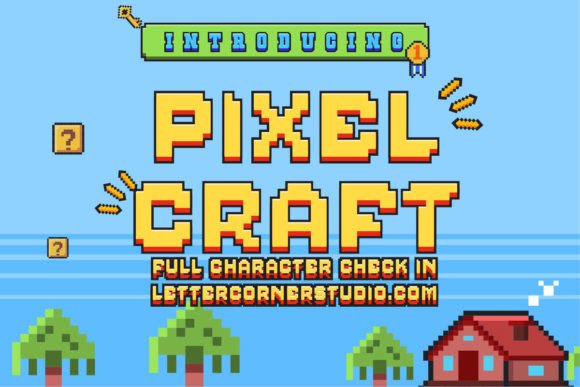
Pixelcraft captures this spirit authentically. It is not merely a font that looks "blocky"; it is a carefully crafted typeface that respects the grid logic of early digital displays. Unlike modern scalable vector fonts that smooth out edges, Pixelcraft embraces the jagged aesthetic, offering a raw, authentic feel that resonates with anyone who grew up playing arcade games or using early home computers. This authenticity is what makes it stand out in a sea of polished, corporate-style typography.
Why Choose a Retro Pixel Font?
You might wonder why a designer in the 2020s would choose a font style reminiscent of the 1980s. The answer lies in emotional connection and visual distinctiveness. Retro aesthetics evoke feelings of nostalgia, simplicity, and playfulness. In a digital world that is often sleek, minimal, and sometimes cold, pixel fonts introduce warmth and character. They signal to the audience that the content is fun, approachable, and perhaps a bit rebellious against the status quo of clean, sans-serif dominance.
Moreover, pixel fonts like Pixelcraft are incredibly versatile. While they are naturally associated with gaming, their application extends far beyond that realm. Fashion brands use them for edgy streetwear labels, tech startups employ them to highlight their coding heritage, and educators use them to make learning materials more engaging for younger audiences. The key is context. When used appropriately, Pixelcraft does not just decorate; it communicates a specific vibe and attitude.
Practical Applications in Creative Projects
Integrating Pixelcraft into your workflow requires a blend of artistic intuition and technical awareness. Here are several areas where this font style can make a significant impact:
- Video Game Design: This is the most natural habitat for Pixelcraft. Use it for dialogue boxes, menu interfaces, and title screens. Its readability at small sizes makes it ideal for HUD (Heads-Up Display) elements where space is limited.
- Web Design: Incorporate Pixelcraft for headers or call-to-action buttons on websites related to technology, gaming, or creative portfolios. It adds a layer of personality that standard web fonts lack.
- Print Media: From concert posters to zine covers, pixel fonts create a striking contrast against high-resolution photography or intricate illustrations. The juxtaposition of rough pixels and smooth images creates visual tension that draws the eye.
- Social Media Graphics: In the fast-scrolling environment of Instagram or TikTok, thumbnails and text overlays need to grab attention quickly. Pixelcraft’s bold, geometric shapes stand out even on small mobile screens.
Best Practices for Using Pixelcraft
While Pixelcraft is powerful, it is not a one-size-fits-all solution. To ensure your designs remain professional and effective, consider the following guidelines:
- Maintain Legibility: Pixel fonts can become difficult to read if scaled incorrectly or used in long paragraphs. Reserve Pixelcraft for headlines, short captions, and labels. For body text, pair it with a clean, simple sans-serif font to balance the visual weight.
- Respect the Grid: When designing with pixel fonts, avoid anti-aliasing (the smoothing of edges) unless absolutely necessary. Anti-aliasing can blur the crisp edges that define the pixel aesthetic, making the text look muddy rather than sharp.
- Color Contrast: High contrast is essential. Bright neon colors on dark backgrounds work exceptionally well with Pixelcraft, mimicking the glow of old CRT monitors. However, ensure that the contrast ratio meets accessibility standards so that all users can read your content.
- Spacing and Kerning: Pixel fonts often have fixed widths. Pay attention to letter spacing to prevent characters from merging into each other, which can happen when the font size is too small relative to the resolution.
Common Misconceptions About Retro Fonts
There are several misunderstandings surrounding the use of retro pixel fonts like Pixelcraft. One common assumption is that they are only suitable for "niche" or "geeky" projects. This is far from the truth. As mentioned earlier, major global brands have adopted pixel aesthetics to appear more relatable and trendy. Another misconception is that pixel fonts are easy to create. In reality, designing a cohesive pixel typeface requires meticulous attention to detail. Each character must be balanced within the grid, ensuring that an 'A' looks visually consistent with an 'M' despite their different shapes. Pixelcraft exemplifies this level of craftsmanship, offering a polished product that avoids the amateurish look of poorly constructed pixel fonts.
Additionally, some designers worry that using such a stylized font will date their work. However, because pixel art has transcended its technological origins to become an artistic style in its own right, it has achieved a certain timelessness. It is no longer just a representation of old technology; it is a deliberate artistic choice, much like using black-and-white film in photography.
Enhancing Your Creative Toolkit
Adding Pixelcraft to your creative arsenal is more than just downloading a new font file; it is about expanding your visual vocabulary. It encourages you to think about design in terms of grids, constraints, and clarity. By experimenting with this font, you may find yourself approaching other design challenges with a fresh perspective. You might start appreciating the beauty in simplicity and the power of limited color palettes.
Furthermore, using tools like Pixelcraft can help you connect with a broader audience. Nostalgia is a universal emotion. Even those who did not grow up in the 8-bit era often find charm in the aesthetic, associating it with indie culture, creativity, and authenticity. By incorporating this style, you invite viewers to engage with your content on an emotional level, not just an intellectual one.
Getting Started with Pixelcraft
If you are ready to integrate Pixelcraft into your next project, start small. Try redesigning a logo, creating a social media post, or sketching a game interface. Experiment with different sizes and colors to see how the font behaves. Notice how it interacts with other elements on the page. Does it dominate the design, or does it complement it? The best way to master any design tool is through practice and iteration.
Remember, the goal is not to recreate the past exactly but to use the visual language of the past to enhance present-day communication. Pixelcraft provides the building blocks for this endeavor. It is robust, versatile, and undeniably stylish. By adding this font to your creative ideas, you ensure that your work does not just blend in but stands out with confidence and character.
In conclusion, Pixelcraft is more than a font; it is a statement. It represents a fusion of historical appreciation and modern design sensibility. Whether you are a seasoned graphic designer or a hobbyist exploring digital art, embracing the retro pixel style can open new avenues for expression. So, dive into the grid, play with the pixels, and let Pixelcraft help you craft designs that are not only visually striking but also deeply engaging. Your audience will notice the difference, and your creative portfolio will thank you for the added depth and diversity.